


.svg)


Choosing Hearing Aid Colors for Your Child: Why We Go Colorful (And How to Get Started)
Hearing aids don't have to be plain. Here's why bold colors have worked for us, and a starting point for customizing your child's devices with earmold colors, charms, and skins.
When our daughter was first diagnosed with hearing loss, we had no idea about all of the options kids have for customizing the look of their hearing devices. Other (big, unknown, emotional!) things were on our mind, of course.
One of those big scary things was the idea that our child would have to wear a hearing device for her entire life. Our child was an infant—a couple months old. This was a big shift from what we expected as parents. In those first days of a hearing loss diagnosis, the idea of a hearing device can be foreign, confusing, perhaps even overwhelming on an emotional level. If you're on a hearing loss journey with your child, you may be asking this question too—how does this device fit into our lives, into our child's life?
For us, choosing hearing device colors was one of those first steps towards welcoming the device into our child's life. It's a moment asking you to take a step towards including it in your child's identity.
Customizing your child's hearing device is a way of making it his or hers. It's a way to build positive energy about how you and your child feel about his or her hearing loss and hearing device.
It's Not Just a Medical Device, It's Something She Wears Every Day
After decades of beige, kids' hearing devices now come in a variety of colors! It's a big responsibility to choose a baby's hearing device colors.
Our audiologist showed us all of the options, and we thought long and hard about what our daughter would choose herself. We thought about how we want to feel putting them on her each day, and what we want her to see when she looks in the mirror.
We chose pink and blue hearing aids, and get festive ear molds, with glitter and swirls. Our favorite molds are December's peppermint swirls!
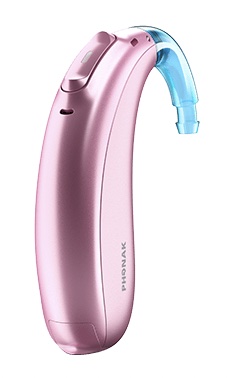
Here's why we've chosen to embrace the world of bold colors.
Bold Hearing Device Colors Signal Comfort
Her hearing devices are a fashion piece she wears every day. So, we want the colors to match her energy and personality, the same way we choose her wardrobe.
They're also visible to others. The bright colors signal that we're comfortable with the subject, and keep the conversation fun and positive. People notice this confidence before they notice the devices. We've found that our comfort sets the tone for every conversation—with family, with strangers at the playground, and with other kids who are curious.
Wear Time Matters!
Hearing aid wear time matters! The more hours per day a child uses amplification, the more auditory input they receive during critical language development windows. Anything that makes a child more willing to keep their devices on is, in a real sense, a therapeutic tool.
Need some ideas for increasing your baby or toddler's hearing aid wear time? Here are the wear time-boosting tips that worked for us when our daughter was 1 year old.
How We Actually Choose
Our daughter's hearing aid manufacturer, Phonak, offered some great color options—Precious Pink just seemed like the right fit for our baby. She wears hearing aids all year, of course, so we didn't want a seasonal color (earmolds are the place for seasonal designs, since they get replaced relatively often).
When it's time for new earmolds, we sit down and plan it. Over the years, we've thought about:
What season is coming up? Red and white peppermint swirls were a hit in Christmas season. And we had a lot of fun with bright orange molds with a pumpkin design at Halloween.
What is he or she into right now? Try mirroring your child's current enthusiasms. New earmolds get to made quite often in the early years—it's a great time to try out new designs, symbols of things like airplanes, vehicles, animals, hearts, stars, and more.
We write down our choices before the appointment so we don't freeze up when we get there—audiology appointments move fast, and you've got a lot to manage and talk about.
Looking to prepare for your baby's first earmold impression? Read more here!
What About When She Wants to Choose Herself?
Most of all, we want our daughter to be excited to wear her hearing aids. And, we're thrilled for the day she can choose them herself. And if she wants beige, we will fully support that too.
For now, we want to communicate to her—and the world—that we're so proud of how she uses them!
As parents of a toddler and then preschooler, we found it helpful to discuss hearing aid colors and earmold designs with our child before audiology visits. That way, everyone can get on the same page beforehand. You may find it helpful to take a photo of your audiologist's earmold designs at the next visit. (Some offices even have a poster of earmold colors and designs on the wall.)
And, if you have a young toddler, check out our article on some small things you can do to start helping him or her to build self-advocacy about hearing devices.
Toys and Stuffed Animals Who Wear Hearing Devices
As your baby grows, you may soon find his or her dolls and stuffed animals need hearing devices too. We’ve got you covered! Check out our guide to ready-to-buy dolls and toys with hearing devices.

And we have a few guides on how to put hearing devices on your child’s favorite dolls or stuffed animals: Here’s a simple way to add hearing aids with a headband. Feeling crafty? Here’s how you can sew felt hearing aids onto any stuffed animal or doll. And here’s a way you can use beads to attach hearing devices onto a stuffed animal or doll.
For us, it was important for our daughter to grow up with hearing devices represented on her dolls and toys. It’s a fun way to encourage pretend play around hearing loss, which builds self-esteem and helps prepare them for trips to the audiologist.
How to Customize Your Child's Hearing Devices
If this article convinced you to go bold, here's where to start:
Earmold colors and designs. For hearing aids, most impactful customization happens at the earmold appointment—that's when your audiologist takes the impression and you choose the color. Most earmold labs offer a wide range of solid colors, glitters, swirls, and even printed symbols like stars and animals. Ask your audiologist to show you the options at your next appointment, or request a color chart in advance. And check out our article on how to customize your child's hearing devices for more about our approach to earmold selection.
Hearing aid charms. Small decorative charms clip onto the hearing aid—often the tubes. They come in animals, stars, flowers, and all sorts of other shapes, and many are designed just for pediatric hearing aids. (Check out HayleighsCharms and WhatnotAndWonder on Etsy!) These are an easy way to let your child's personality shine.
Cochlear implant skins. If your child wears a cochlear implant processor, custom skins wrap around the device in colors and patterns. Several companies make them specifically for pediatric processors. (Etsy shops DEAFinitelyBold and DeAmelijaStickers have lots of options!)
Bonnets. If you have a baby or small toddler with hearing loss, a bonnet may help you with hearing aid retention. And they're another form of hearing device personalization! Here's why we loved bonnets for our hard of hearing baby and an article on our favorite hearing aid bonnet brands.
Any of these can change as your child grows and their preferences evolve!


